
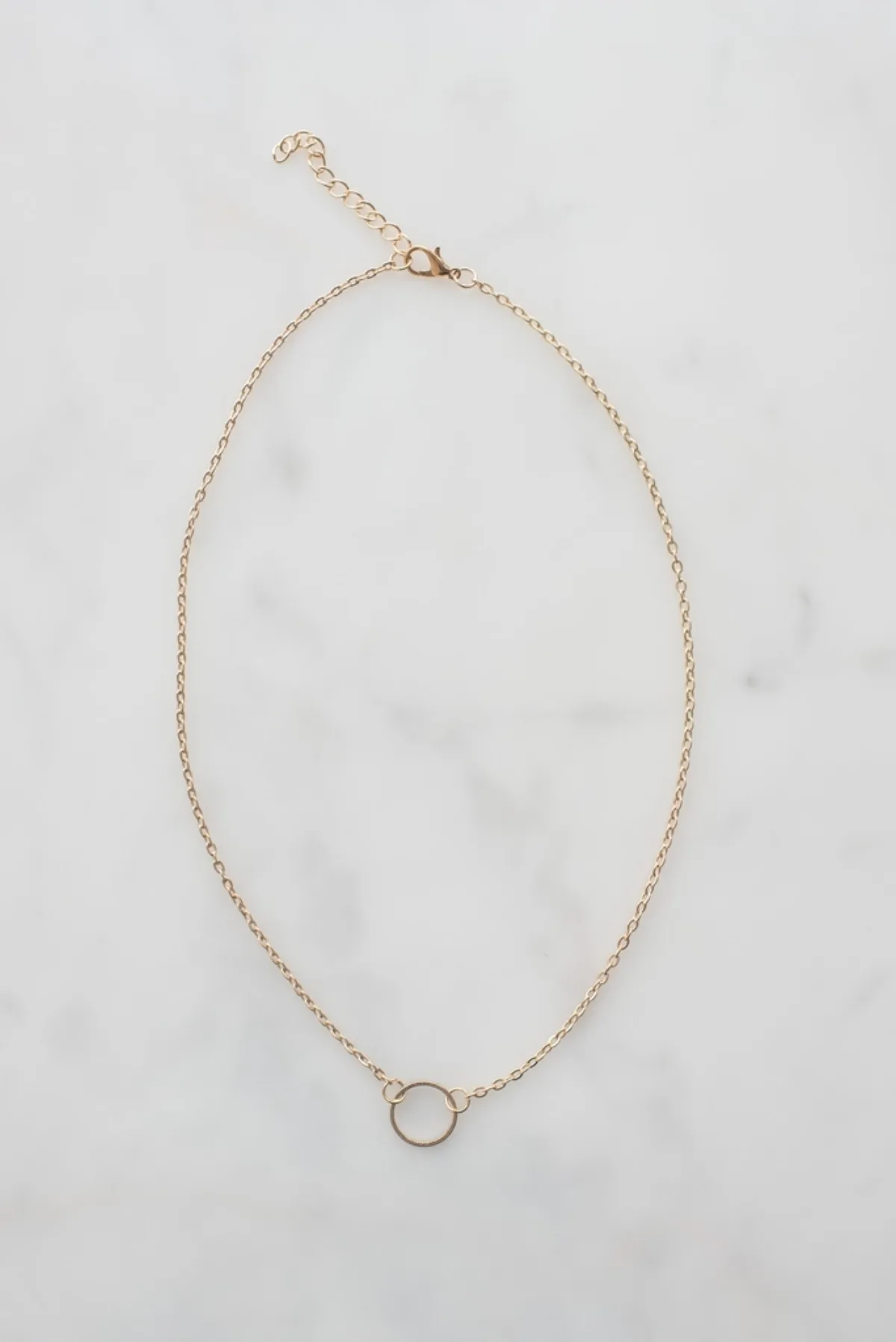
 Photo par Auteur inconnu via Rawpixel (CC CC0 1.0)
In short:
- In France, gold plated implies a gold layer of at least 3 microns, while gilded or flash plated guarantee no thickness.
- Vermeil is gold plating over a sterling silver base, which makes wear far less of a problem than the same plating on base metal.
- Sterling silver tarnishes reversibly, whereas gold plating wears away irreversibly.
- A necklace wears more slowly than a ring or a bracelet, which are far more exposed to friction.
What each term guarantees
| Term | Base | Gold layer | What happens as it wears |
|---|---|---|---|
| Sterling silver 925 | 92.5% silver alloy | None | Tarnishes, cleans up |
| Vermeil | Sterling silver | At least 3 microns | Reveals silver |
| Gold plated | Base metal | At least 3 microns | Reveals the support metal |
| Gilded, flash plated | Base metal | Not guaranteed, very thin | Discolours quickly |
The decisive difference is not the brand-new look, identical to the eye in all four cases, but what shows up once the layer wears.
Sterling silver: reversible ageing
Sterling silver 925 contains 92.5% pure silver, the remainder being an alloy meant to harden the metal, most often copper.
Its known flaw is tarnishing: in contact with sulphur compounds in the air, perspiration and cosmetics, a grey layer forms on the surface. It is neither wear nor a sign of fake silver, and a polishing cloth removes it.
In other words, a sterling silver necklace does not wear out, it dulls. That is maintenance, not end of life.
Gold plating: irreversible ageing
The gold layer is a surface deposit. It thins with friction, and once gone it does not come back without a professional replating.
What accelerates wear:
- friction against skin, clothing and other jewellery,
- perspiration, slightly acidic,
- perfumes, hairspray and creams sprayed onto the piece,
- household products.
A necklace is less exposed than a ring or a bracelet, constantly in contact with whatever is being handled. It is the piece where gold plating lasts longest.
Vermeil, the compromise
Vermeil applies the same minimum 3 micron plating, but over a sterling silver base instead of a base metal. Two consequences:
- as the gold layer wears, silver shows through, not an unknown alloy,
- skin tolerance stays that of silver, which matters for reactive skin.
For sensitive skin, the European REACH regulation also caps nickel release from jewellery in prolonged skin contact.
How to choose
- Daily wear, contained budget, maintenance accepted: sterling silver.
- Gold look and sensitive skin: vermeil.
- Occasional gold look, tight budget: gold plated, accepting the wear.
- Best avoided for daily wear: anything described as gilded or flash plated, with no guaranteed thickness.
Frequently asked questions
What is the difference between gold plated and gilded?
Gold plated is a regulated term implying at least 3 microns of gold. Gilded or flash plated guarantee no thickness.
What is vermeil?
Gold plating of at least 3 microns over a sterling silver base.
Does gold plating wear off?
Yes, the gold layer is a surface deposit that thins irreversibly with friction.